

Hosting Refugees: How Nations Can Help Mitigate the Effects of Forced Displacement
By: Valentina Gómez
With the outbreak of the war in Ukraine contributing to the ever-growing refugee crisis around the world, it is important to shine a light on the many reasons why hosting refugees is beneficial, not only to the refugees themselves, but also to the countries that host them.
Dr. Craig Loschmann, a research fellow at UNU-MERIT focusing on analyzing conflict-related migration, argues that the mere economic benefits of hosting refugees outweigh the possible associated risks. His experience participating in different UNHCR-funded projects in refugee camps in Burundi and Rwanda led him to conclude that hosting refugees can help disadvantaged and developed nations’ economies and labor markets in the long run.
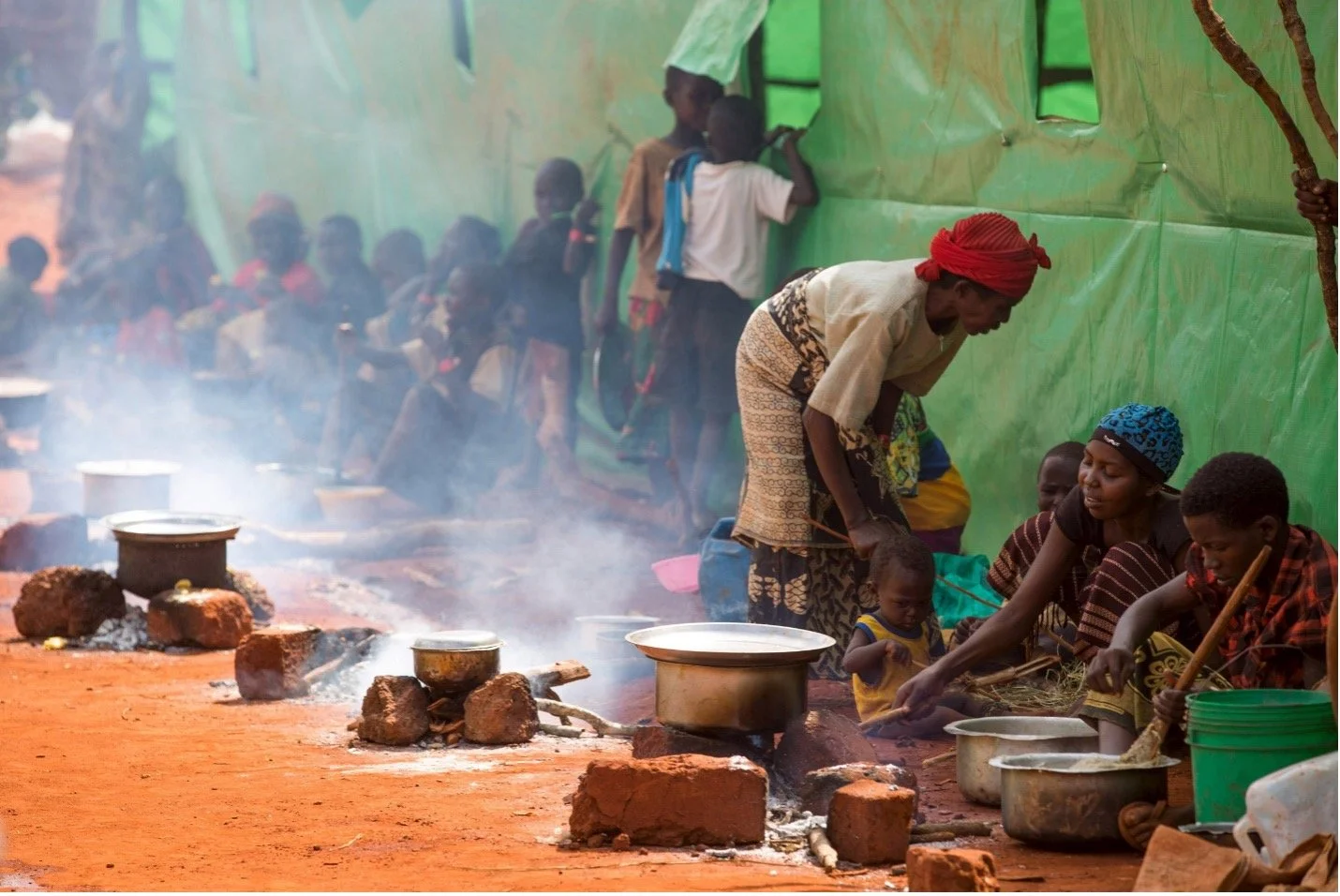
Figure 1 Nyarugusu Refugee Camp housing Burundian refugees
Dr. Loschmann’s research concludes that refugees are generally more likely to engage in entrepreneurship and investment in comparison to their native counterparts (Loschmann, 2019). Particularly, this is because the act of migrating, whether it is forced or not, is typically associated with higher risk-taking behaviors. Thus, refugee and internally displaced persons are more likely to initiate a business venture in their new location; in fact, a study on the impact of immigrants on innovation and entrepreneurship concluded that nonnative workers account for 25% of entrepreneurs and, additionally, 25% of investors in the country (Kerr, 2013). Ultimately, the creation of new businesses will not only increase the amount of job opportunities available to natives but to fellow refugees and immigrants as well (Loschmann, 2019). Additionally, an increase in the output of nonnative workers due to investment will lead to an increase in humanitarian aid provided to the country. Despite opponents’ claim that the health conditions of refugee camps could not be altered, if the country receives more humanitarian aid, it will begin by improving the sanitation and structure of refugee camps.
Moreover, Loschmann also argues that refugees play a key role in promoting bilateral trade with their country of origin (Loschmann, 2019). Primarily, this is because refugees can use their ties to mediate business between businesspeople in both countries. In particular, this is seen in the case of David Tran’s $80 million-dollar company, Huy Fong Foods. Tran immigrated from Communist Vietnam in 1980 and to Los Angeles, California, where he created Huy Fong Foods in just a matter of months (Ferdman, 2013). Shortly after, Tran employed over half of the Vietnamese refugee population in the area to make the revered Sriracha hot sauce (Ferdman, 2013). This case is representative because over 50% of refugee-led businesses have created millions of jobs for people in multiple countries while promoting trade among them (Loschmann, 2019). Thus, it is imperative that governments promote the integration of refugees into the workforce.
Similarly, Senior Fellow at the Brookings Institution on Global Economy and Development Dany Bahar, highlights the ethical responsibility of other nations to host refugees and why it is beneficial for their economy through data assessment of economic growth caused by refugees.
Bahar argues that it would be morally erroneous to not allow refugees into the country. In particular, he stresses how stable countries have an obligation to protect refugees since their lives are endangered (Bahar, 2018). Bahar explains that there are three main reasons why refugees must leave their country. Firstly, refugees may be persecuted for having a particular political or religious belief (Bahar, 2018). For example, this can be seen in Venezuela, where over 6 million people have fled the country due to political persecution (Keaten, 2019). Secondly, refugees also feel the need to flee their country if it is in a state of war. For instance, after nine years of civil war, over 13 million people have fled Syria (Keaten, 2019). Lastly, violence is also a reason why people feel the need to flee their country. For example, the government of Myanmar has decided to incarcerate members of the Rohingya tribe with the intent to kill them. Despite the 1.1 million members that have successfully escaped this threat, over 25,000 members have been brutally murdered already (Keaten, 2019). Therefore, Bahar claims that providing shelter from any of these violent situations would highly improve the living conditions of any refugee (Bahar, 2018).
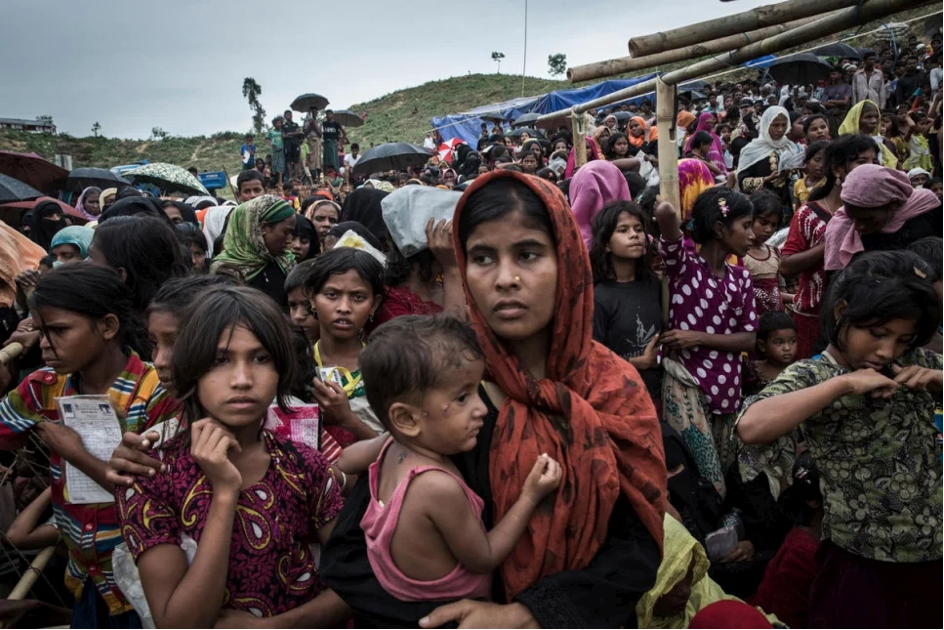
Figure 2 Rohingya refugees at the Kutupalong Refugee Camp in Bangladesh
Additionally, Bahar also argues that inserting a population with new skills into the labor market will boost the economy. Particularly, native low-income workers tend to excel more in their field with the presence of refugees in their workplace (Bahar, 2018). This is due to an increased amount of rivalry which they wouldn’t otherwise face because other locals have better paid jobs. However, since immigrants can’t contend in those jobs, due to lack of specific skills such as the domination of the official language, they must work in these lower-paying jobs until they gain those skills (Bahar, 2018). Moreover, this information corroborates with the results from a Danish study that found that a labor market that encourages occupational mobility and allows refugees can produce an effective mechanism to yield rising wages and skill of the less educated native while providing significant experience to refugees (Foged, 2015). Ultimately, integrating refugees into the workforce is crucial for the success of an economy.
After thorough investigation, it is evident that refugees will thrive economically in the host country, which may improve their situation substantially. With that being said, I cannot ignore that facing initial backlash from natives must be extremely hard and therefore, there is a dire need to further research the effectiveness of anti-xenophobia campaigns in host countries. Nevertheless, to the extent of my own inquiry, I can conclude that the benefits of hosting refugees single-handedly outweigh any potential risks.
Works Cited
Bahar, D. (2018). Migrants and refugees: The unlikely key for economic development. The Brookings Institute. https://www.brookings.edu/blog/future-development/2018/04/11/migrants-and-refugees-the-unlikely-key-for-economic-development/
Dany Bahar: Curriculum Vitae. The Brookings Institute. https://www.brookings.edu/wp-content/uploads/2016/06/Dany-Bahar-CV.pdf.
Dr. Craig Loschmann. (n.d.). UNU-MERIT. https://www.merit.unu.edu/about-us/profile/?staff_id=1588.
Ferdman, R. (2013). The highly unusual company behind Sriracha, the world’s coolest hot sauce. Quartz. https://qz.com/132738/the-highly-unusual-company-behind-siracha-the-worlds-coolest-hot-sauce/.
Foged, M. (2015). How immigrants and job mobility help low-skilled workers. Vox. https://voxeu.org/article/how-immigrants-and-job-mobility-help-low-skilled-workers.
Keaten, J. (2019). UN: Record 71 million people displaced by war and violence.” Christian Science Monitor. https://www.csmonitor.com/World/2019/0619/UN-Record-71-million-people-displaced-by-war-and-violence.
Kerr, W. R., (2013). U.S. High-skilled immigration, innovation, and entrepreneurship: empirical approached and evidence. National Bureau of Economic Research. http://www.nber.org/papers/w19377
Loschmann, C. (2019). Considering the benefits of hosting refugees: evidence of refugee camps influencing local labour market activity and economic welfare. Springer Open. https://izajodm.springeropen.com/articles/10.1186/s40176-018-0138-2